City of Valletta
Valletta, Malta
31.12.2023

The city of Valletta, capital of Malta, stands as a remarkable testament to 16th-century urban planning and Baroque architecture. Perched majestically on a peninsula, this fortified city was built by the **Order of St. John** following the epic **Great Siege of Malta** in 1565. Its very foundation was a declaration of resilience and power.
A Fortress City's Birth
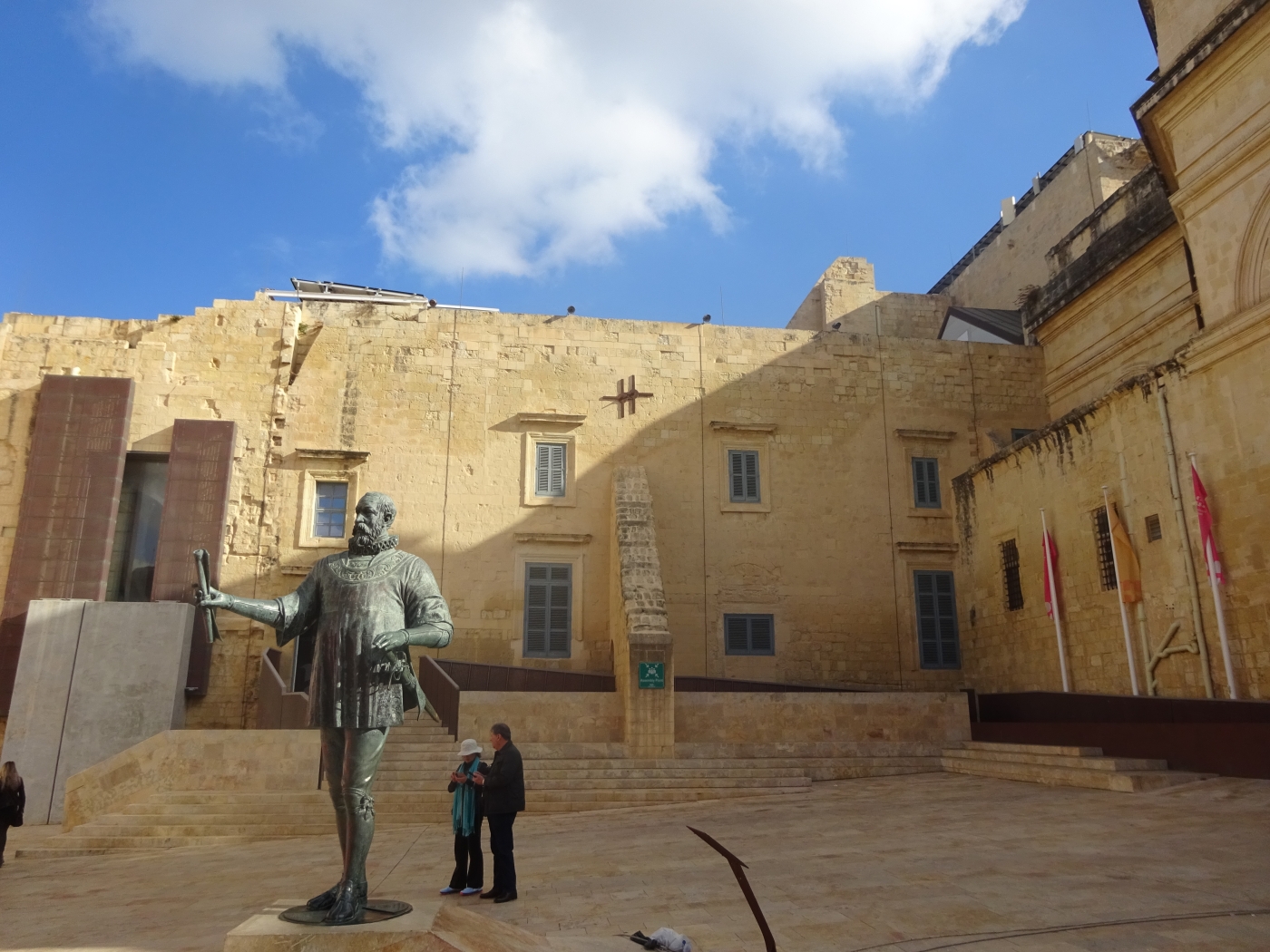
The decision to build a new capital after the siege was spearheaded by Grand Master **Jean de Valette**, after whom the city is named. Construction began in 1566. The Order recognized the strategic necessity for an impregnable fortress. The initial design was entrusted to the Italian military engineer **Francesco Laparelli**, who laid out the city on a grid plan, remarkably modern for its time. Following Laparelli's departure, his Maltese assistant, **Girolamo Cassar**, continued and largely completed the city's construction, designing many of its iconic buildings.
Architectural Grandeur
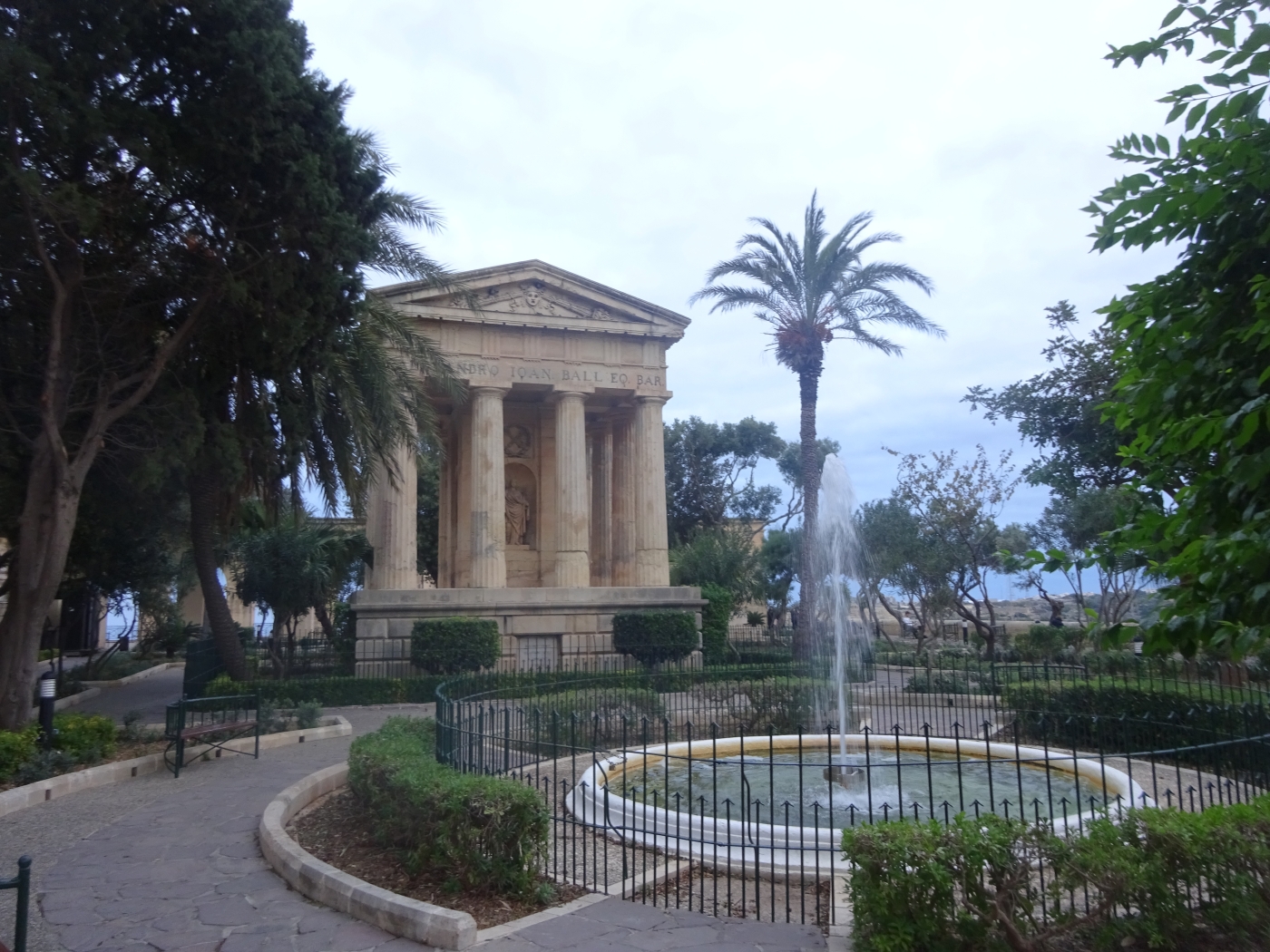
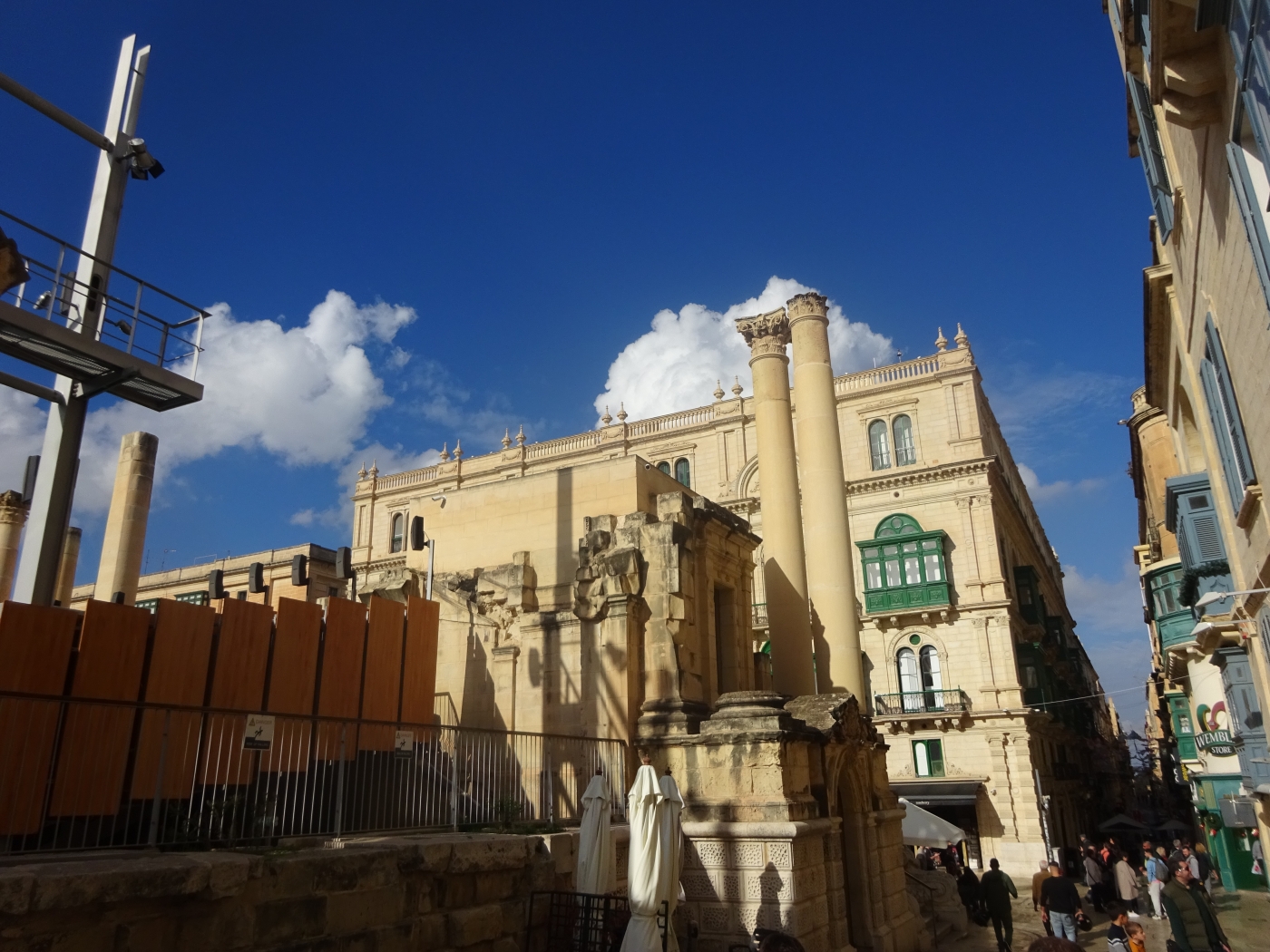
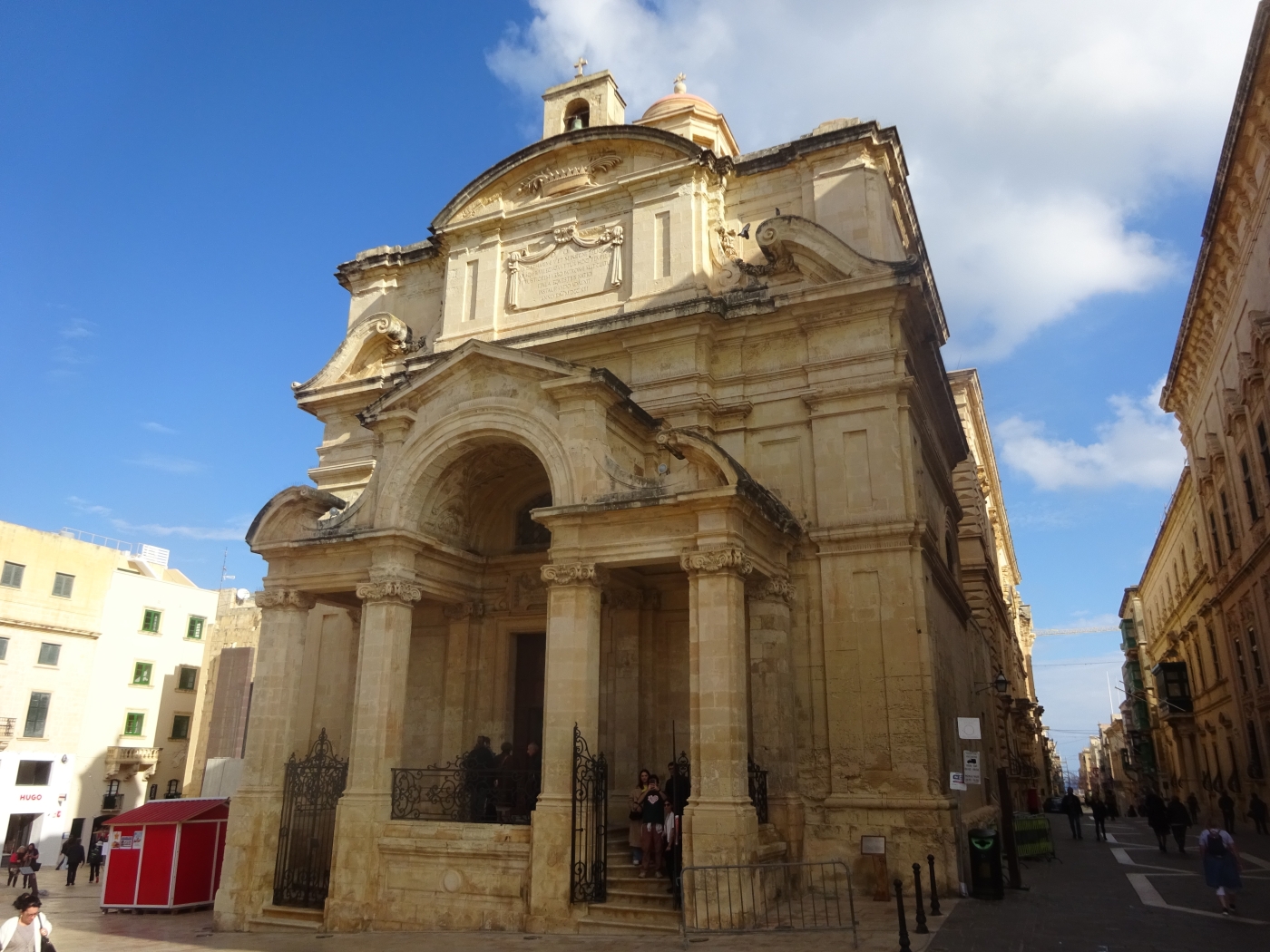
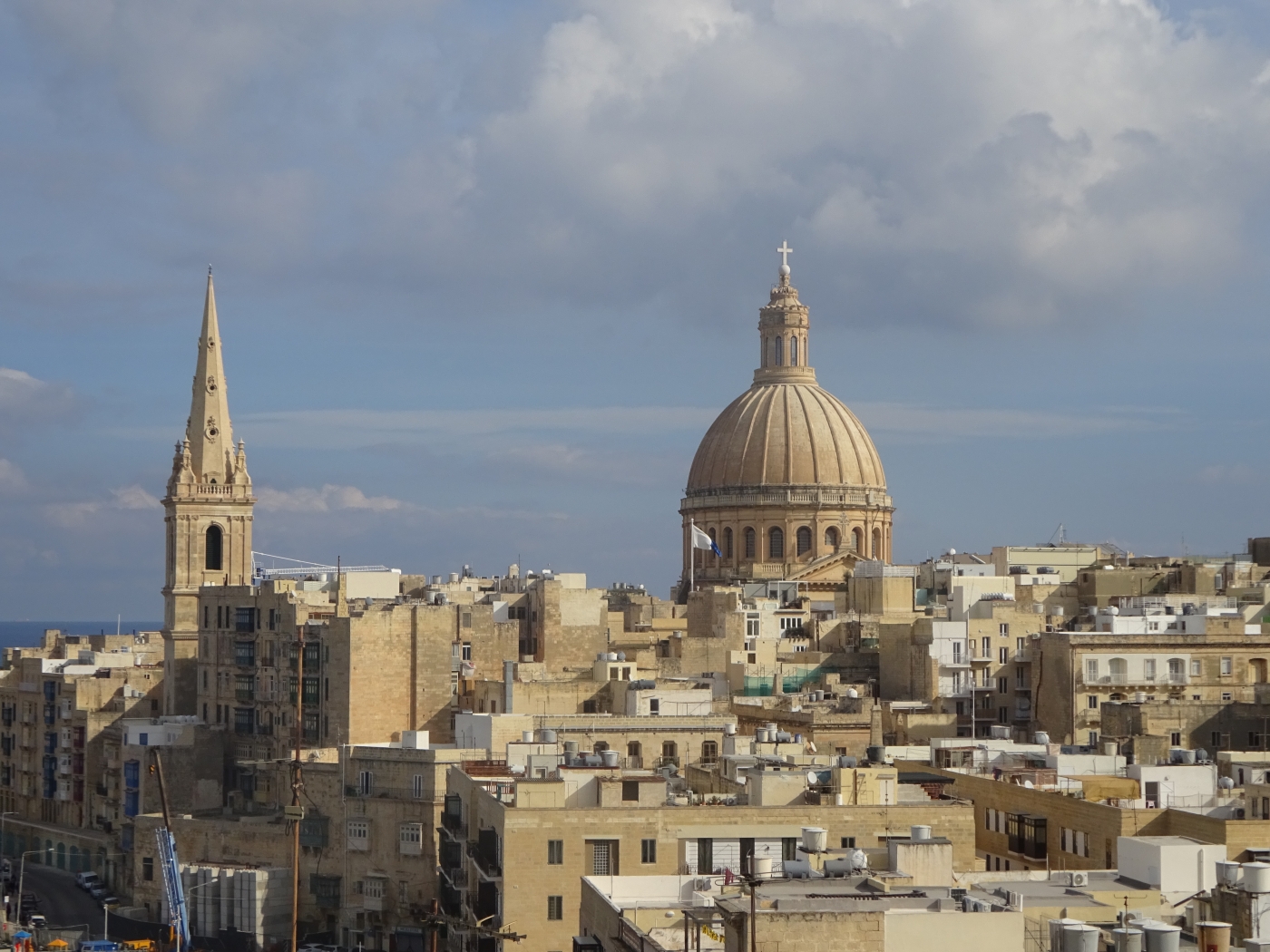
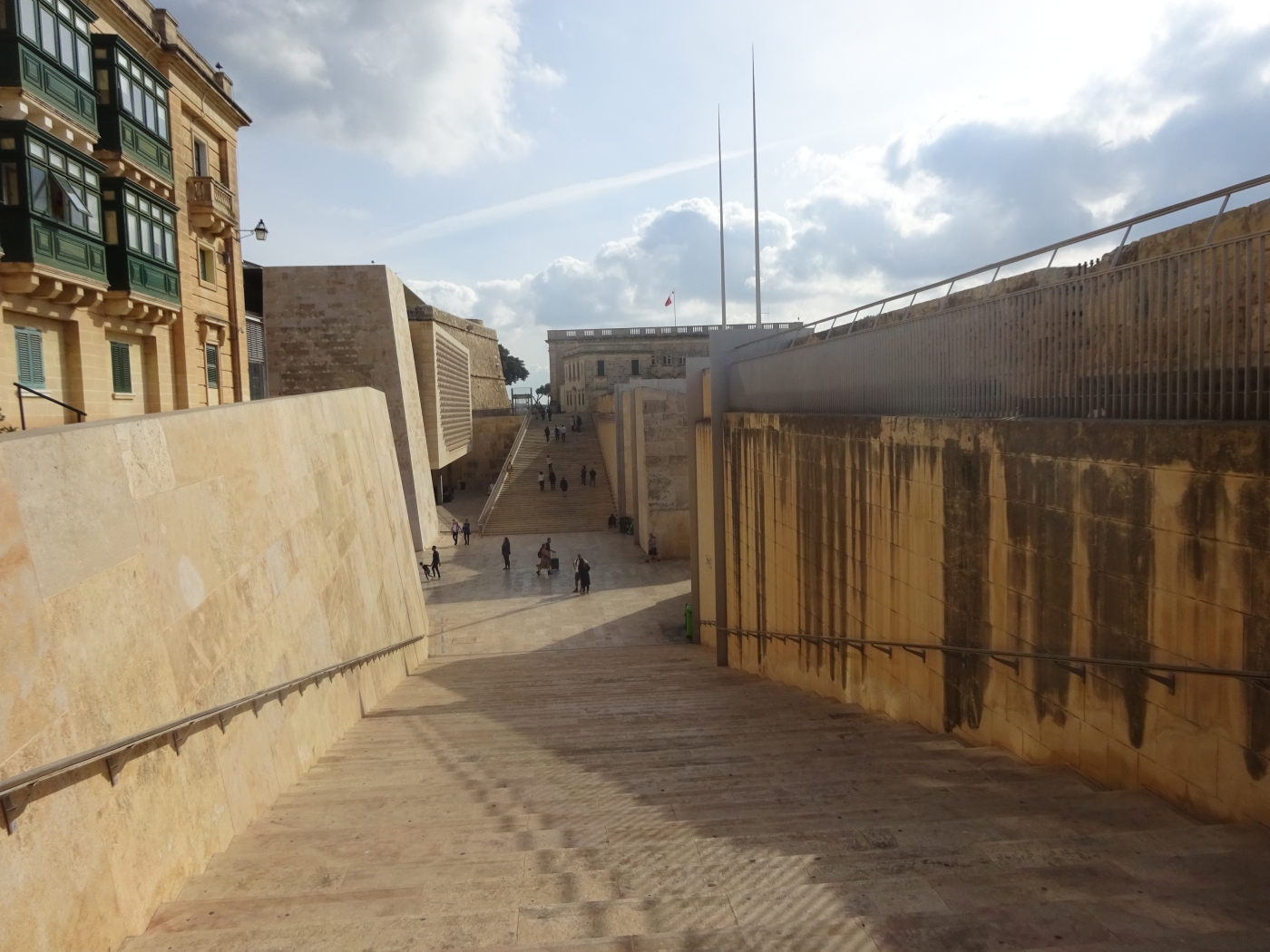
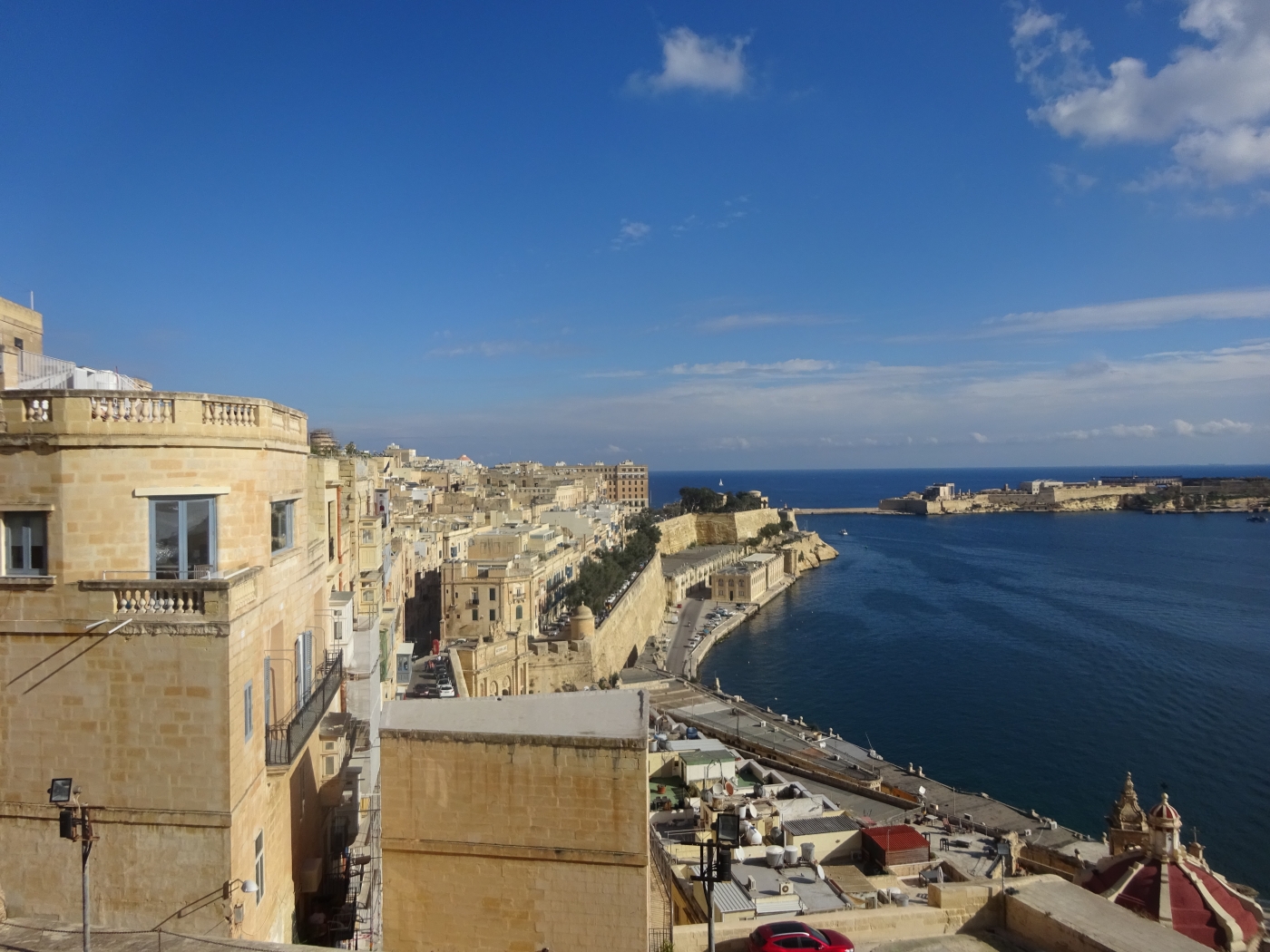
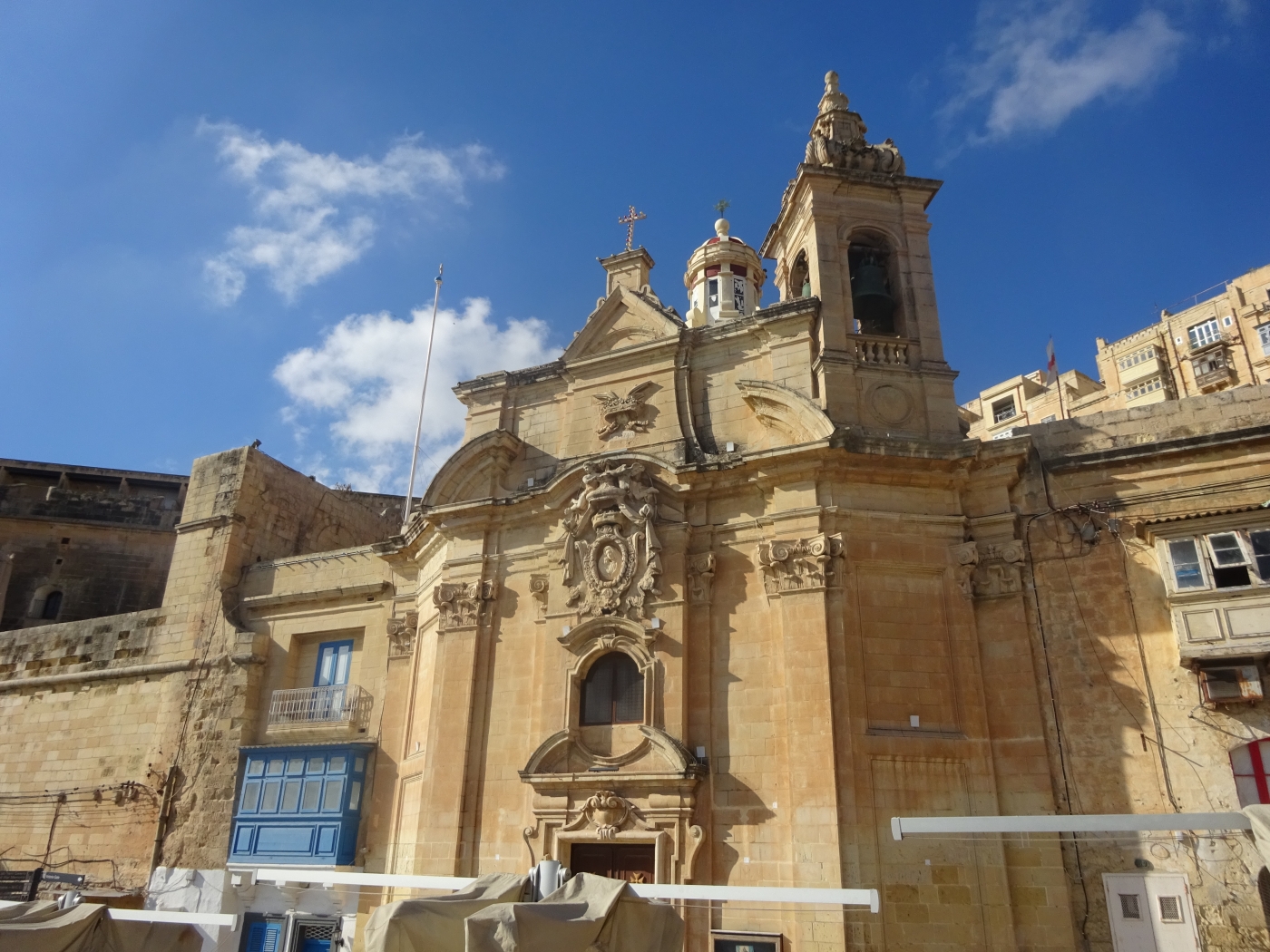
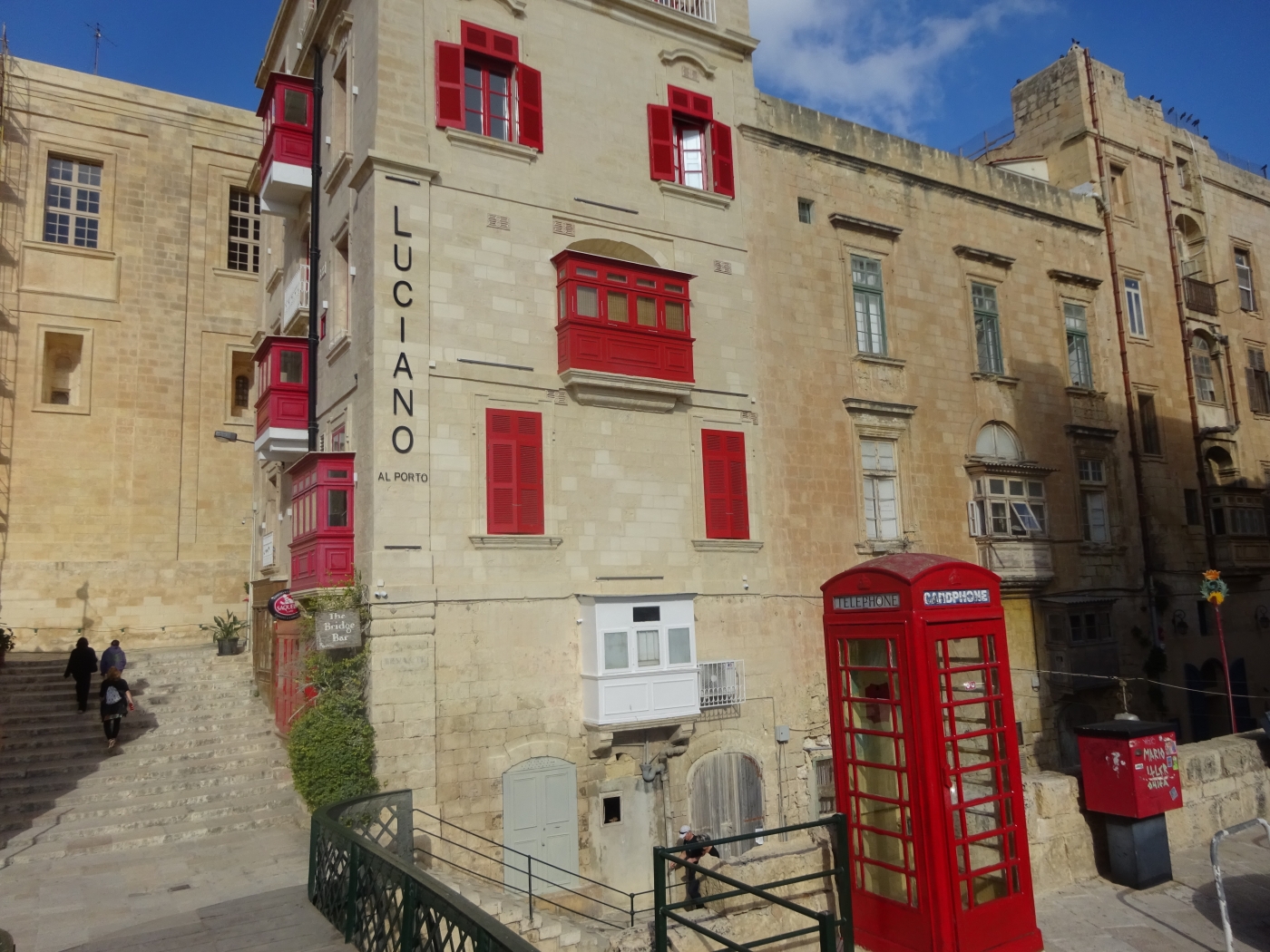
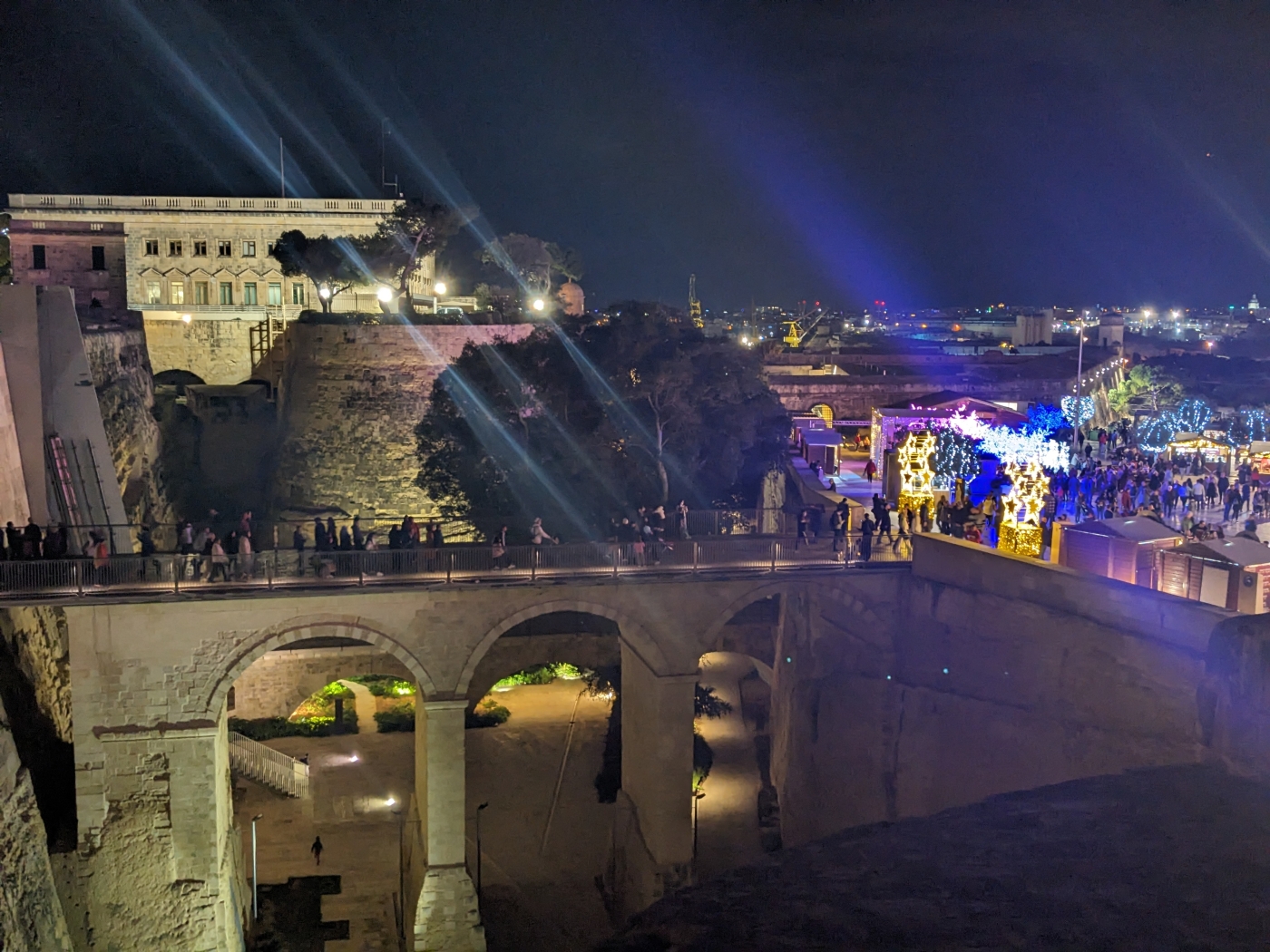
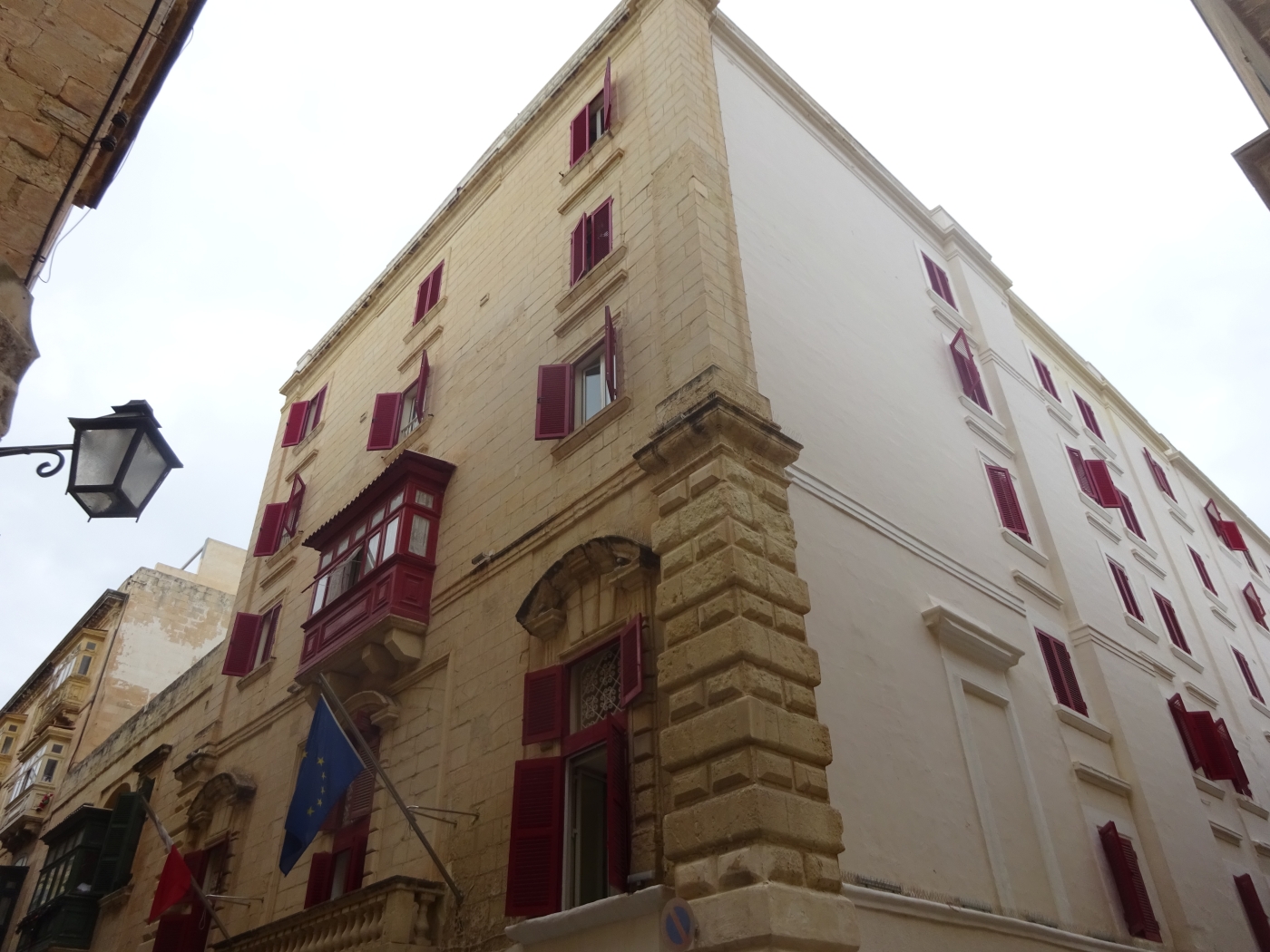
Valletta's layout is characterized by its straight streets and strong fortifications, yet it is also a showcase of high Baroque architecture. Its compact design is a masterpiece of harmony, where every building contributes to the overall aesthetic and defensive integrity. The city's golden-hued limestone buildings, often adorned with traditional enclosed wooden balconies, create a distinct and beautiful urban landscape.
Key Landmarks
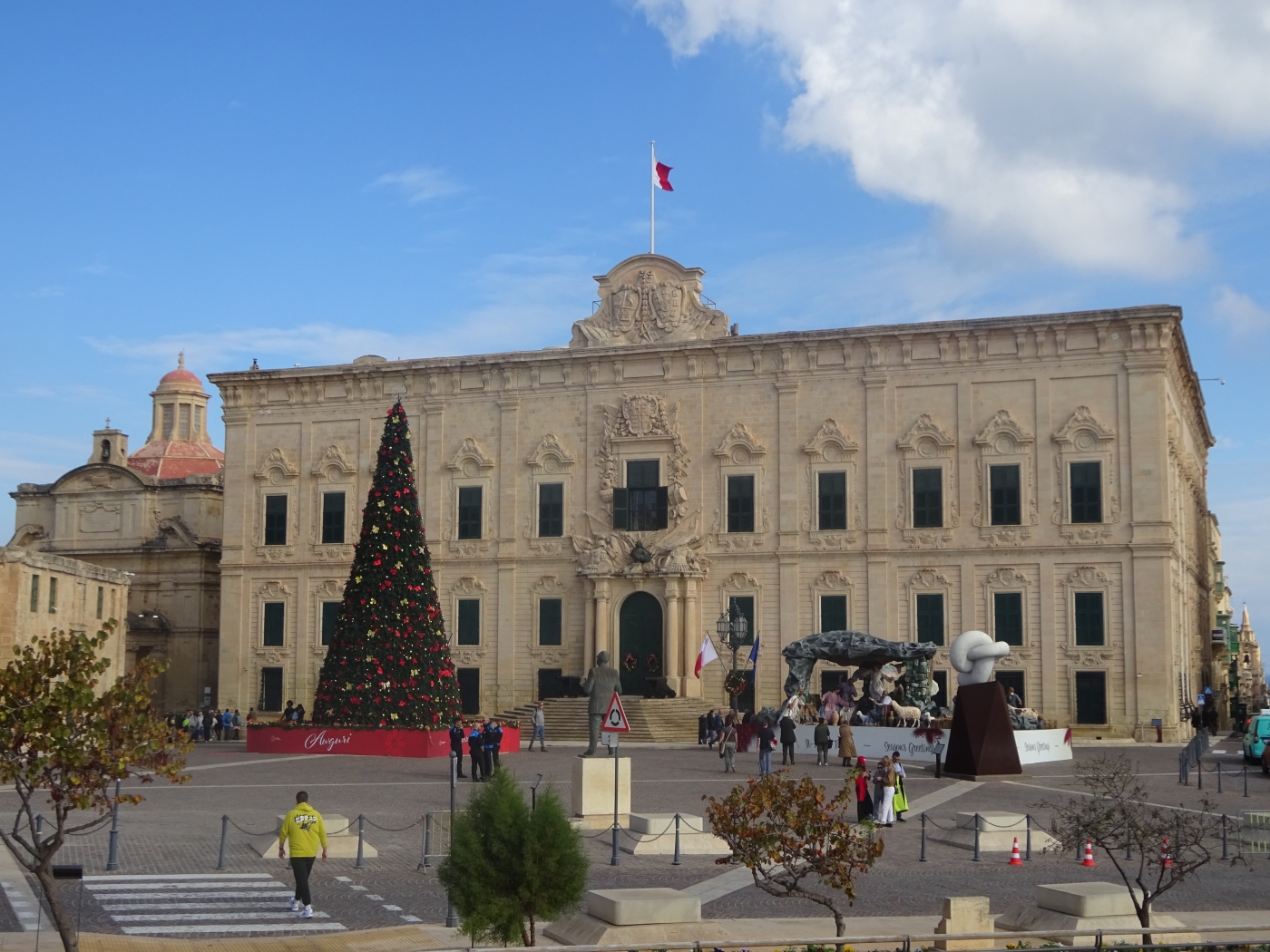
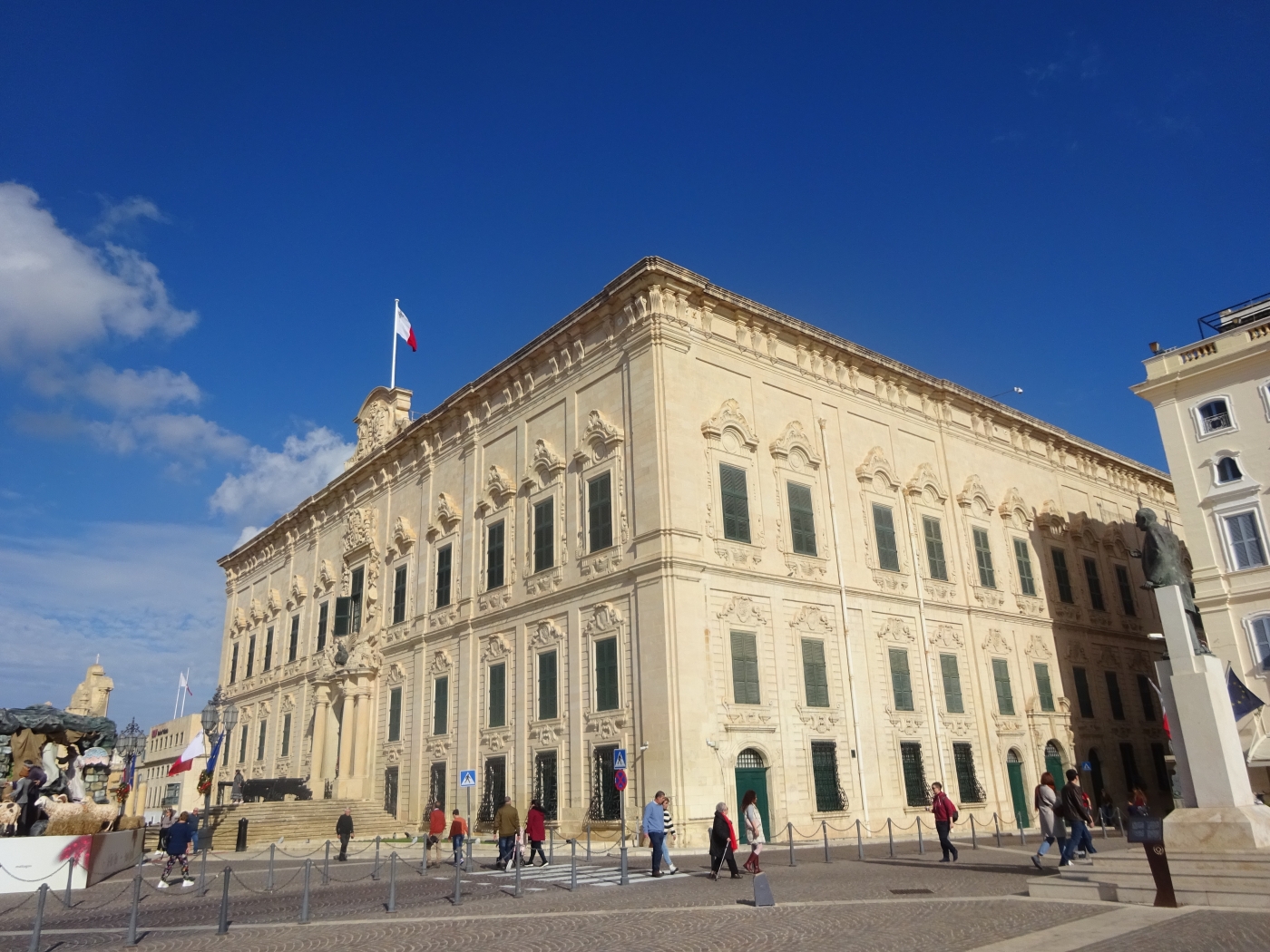
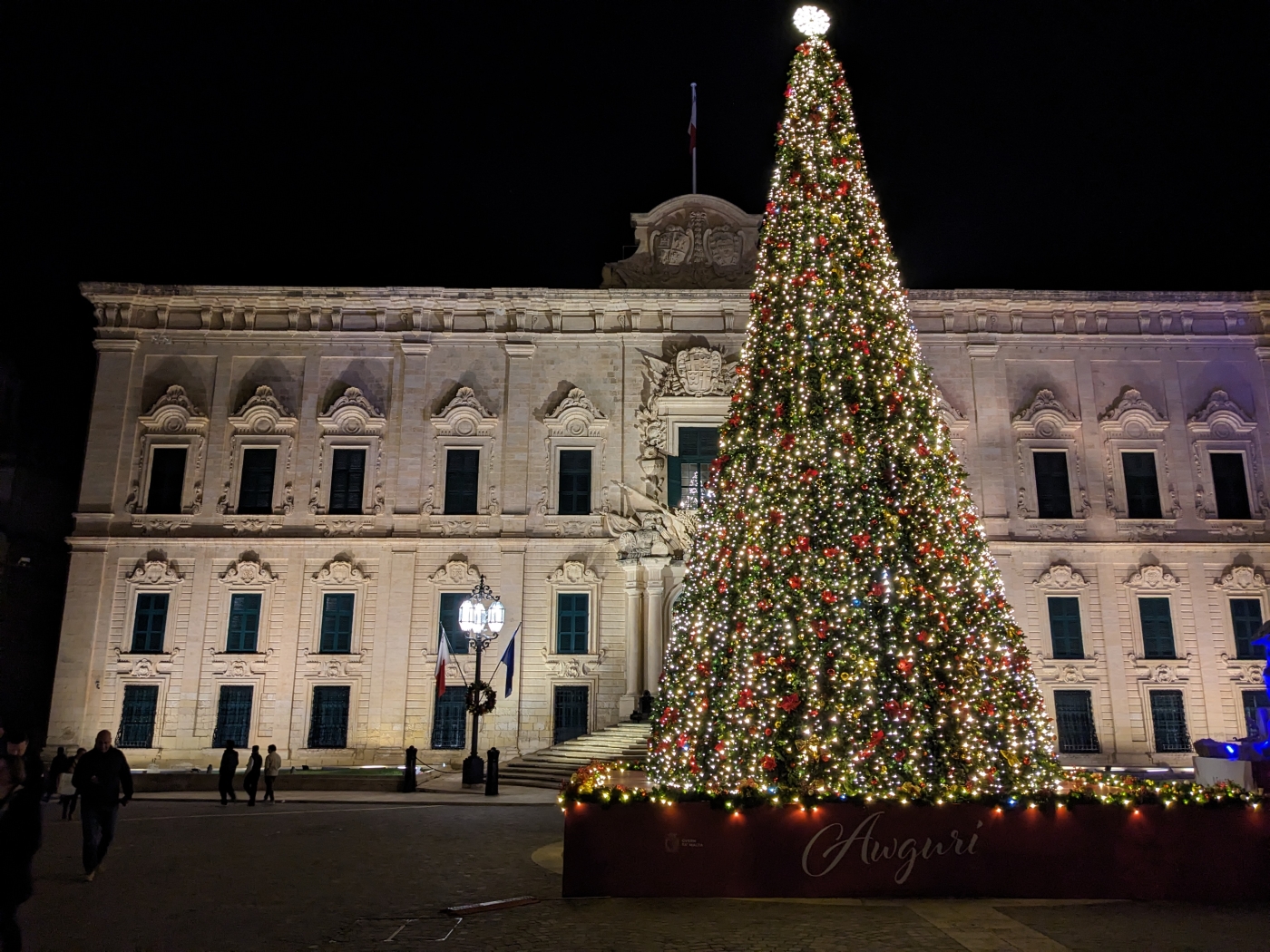
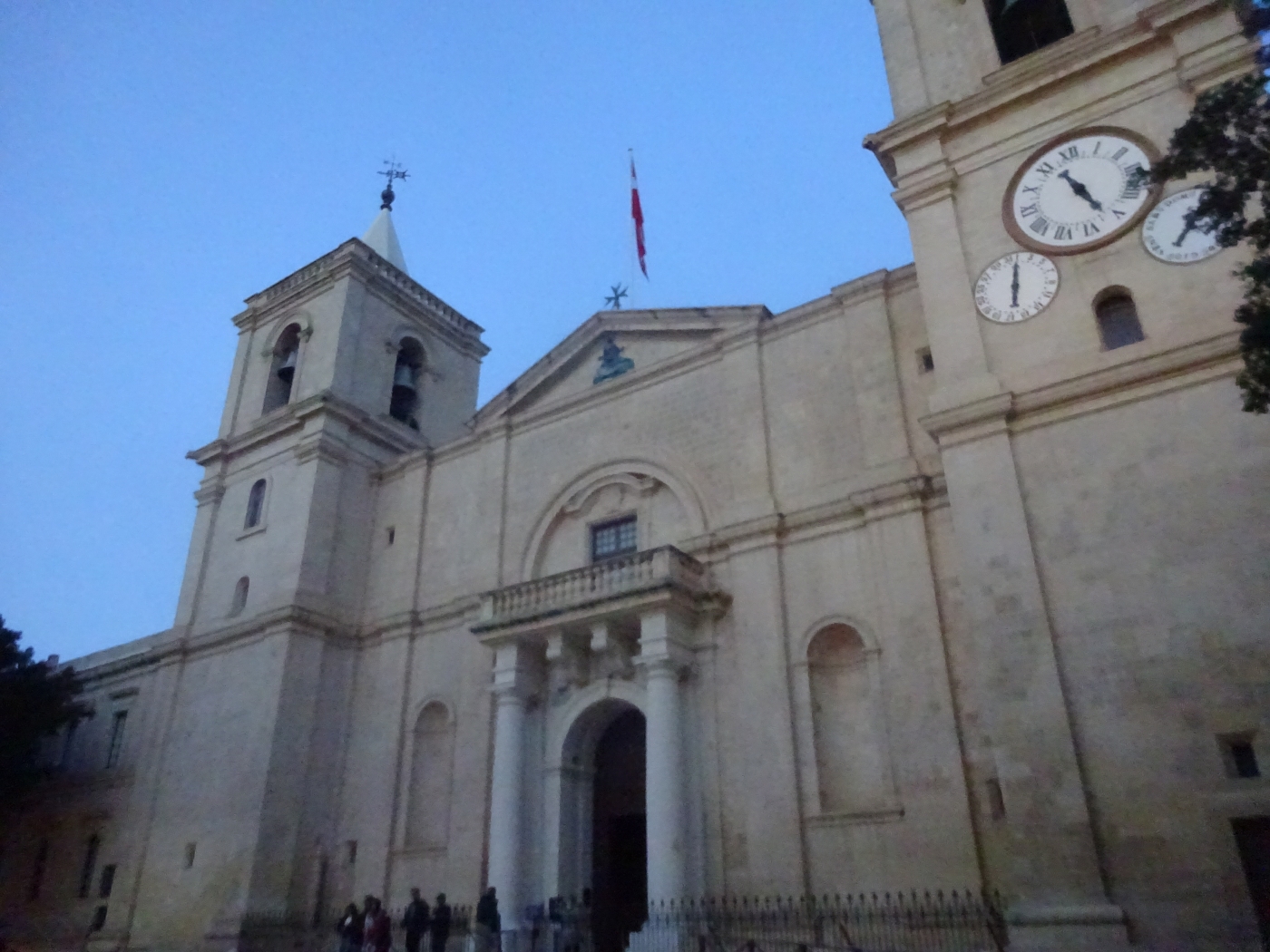
Among its many treasures, the **St. John's Co-Cathedral** stands out, a stunning example of Baroque art and architecture, featuring lavish interiors and the works of Caravaggio. The **Grandmaster's Palace**, once the seat of the Grand Masters and later the British Governor, now houses the Office of the President of Malta and the national parliament. The various **Auberges**, residences built for the different langues (regions) of the Knights, such as the impressive **Auberge de Castille**, further exemplify the city's architectural prowess and the Order's international character. The mighty **Fort Saint Elmo**, which played a crucial role in the Great Siege, guards the city's seaward approaches.
A UNESCO Treasure
Valletta was inscribed as a UNESCO World Heritage site in 1980, recognized as "one of the most concentrated historic areas in the world." Its exceptional universal value lies in its unique urban fabric, its meticulously preserved 16th-century fortifications, and its rich collection of Baroque art and architecture, making it a living monument to a bygone era.
Weiterführende Links
The capital of Malta is inextricably linked to the history of the military and charitable Order of St John of Jerusalem. It was ruled successively by the Phoenicians, Greeks, Carthaginians, Romans, Byzantines, Arabs and the Order of the Knights of St John. Valletta’s 320 monuments, all within an area of 55 ha, make it one of the most concentrated historic areas in the world.
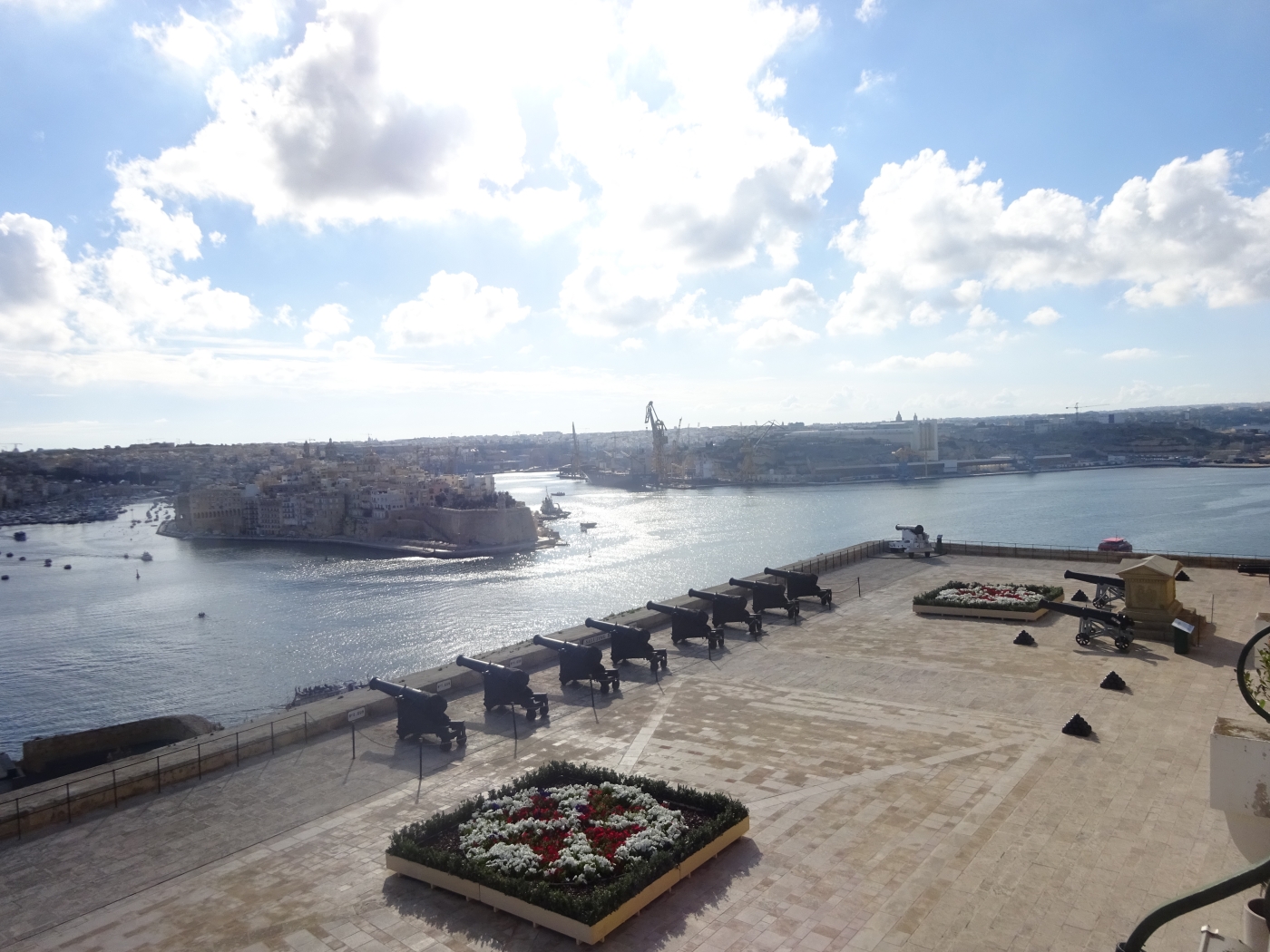
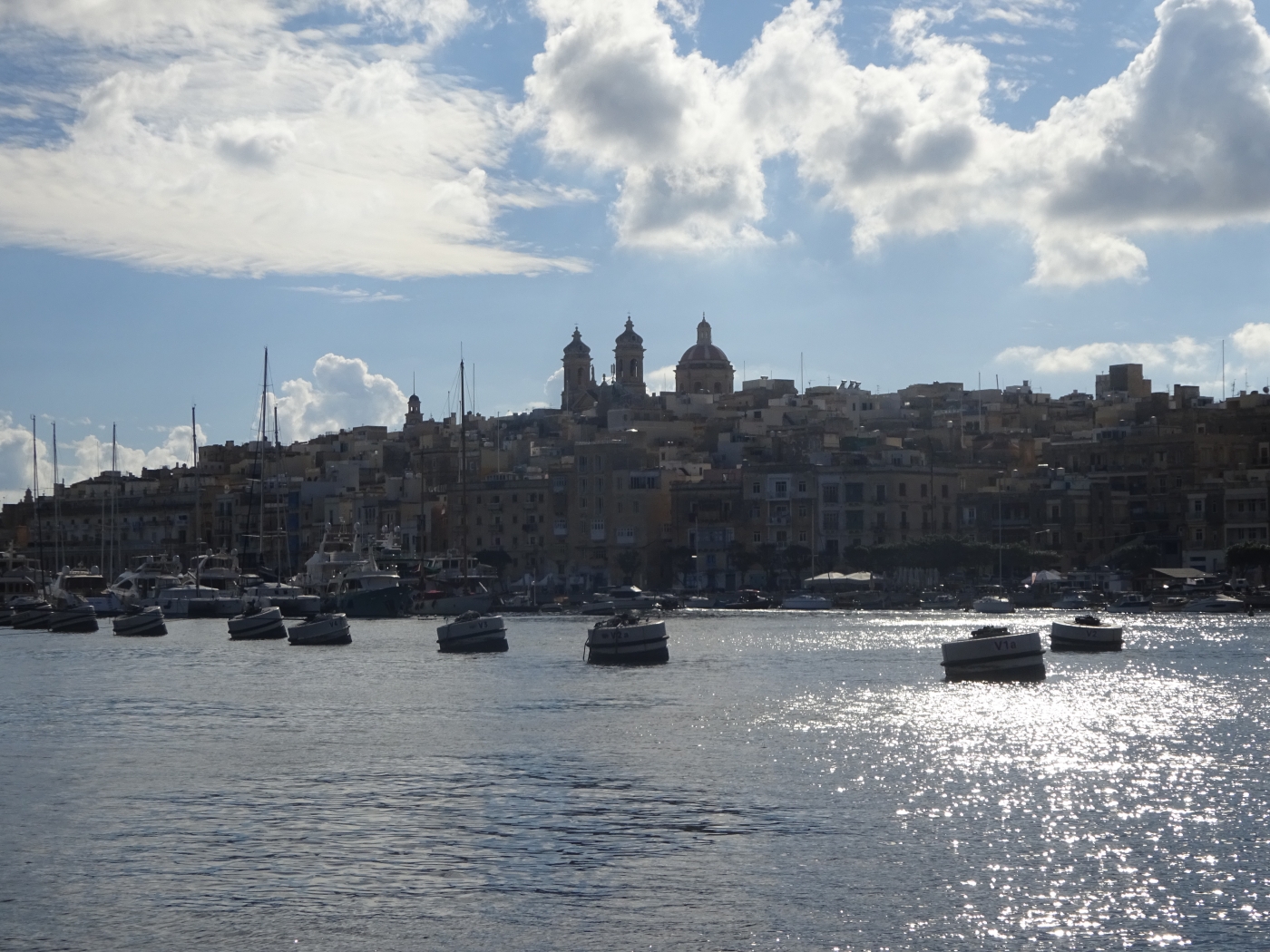
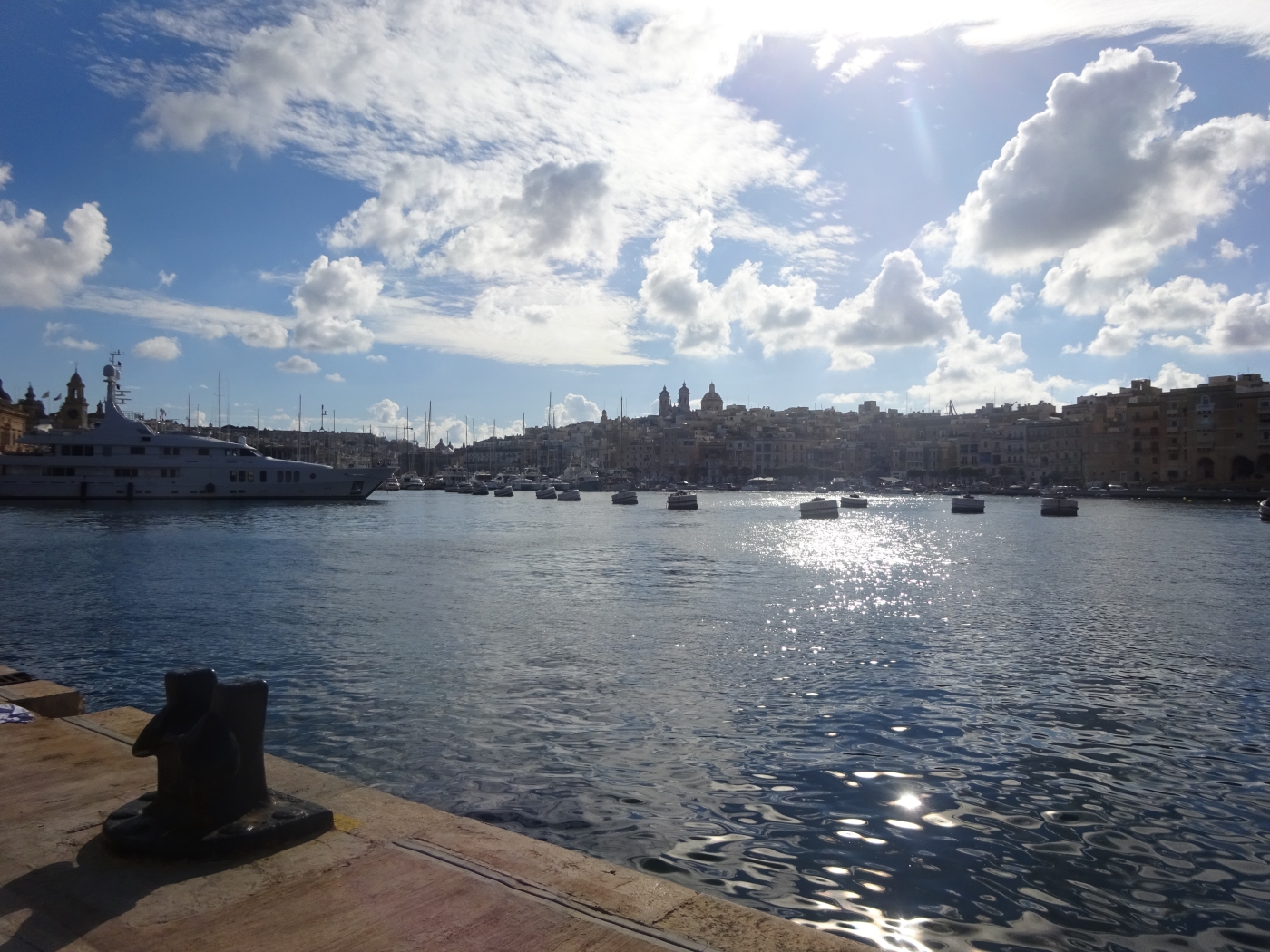
Valletta ( ; Maltese: il-Belt Valletta, lit. 'the city [of] Valletta', pronounced [ɪlˈbɛlt vɐˈlːɛtːɐ]), also known as Città Umilissima (transl. the Humblest City), is the capital city of Malta and one of its 68 council areas. Located between the Grand Harbour to the east and Marsamxett Harbour to the west, its population as of 2021 was 5,157. As Malta's capital city, it is a commercial centre for shopping, bars, dining, and café life. It is also the southernmost capital of Europe, and, at just 0.61 square kilometres (0.24 sq mi), it is the European Union's smallest capital city.
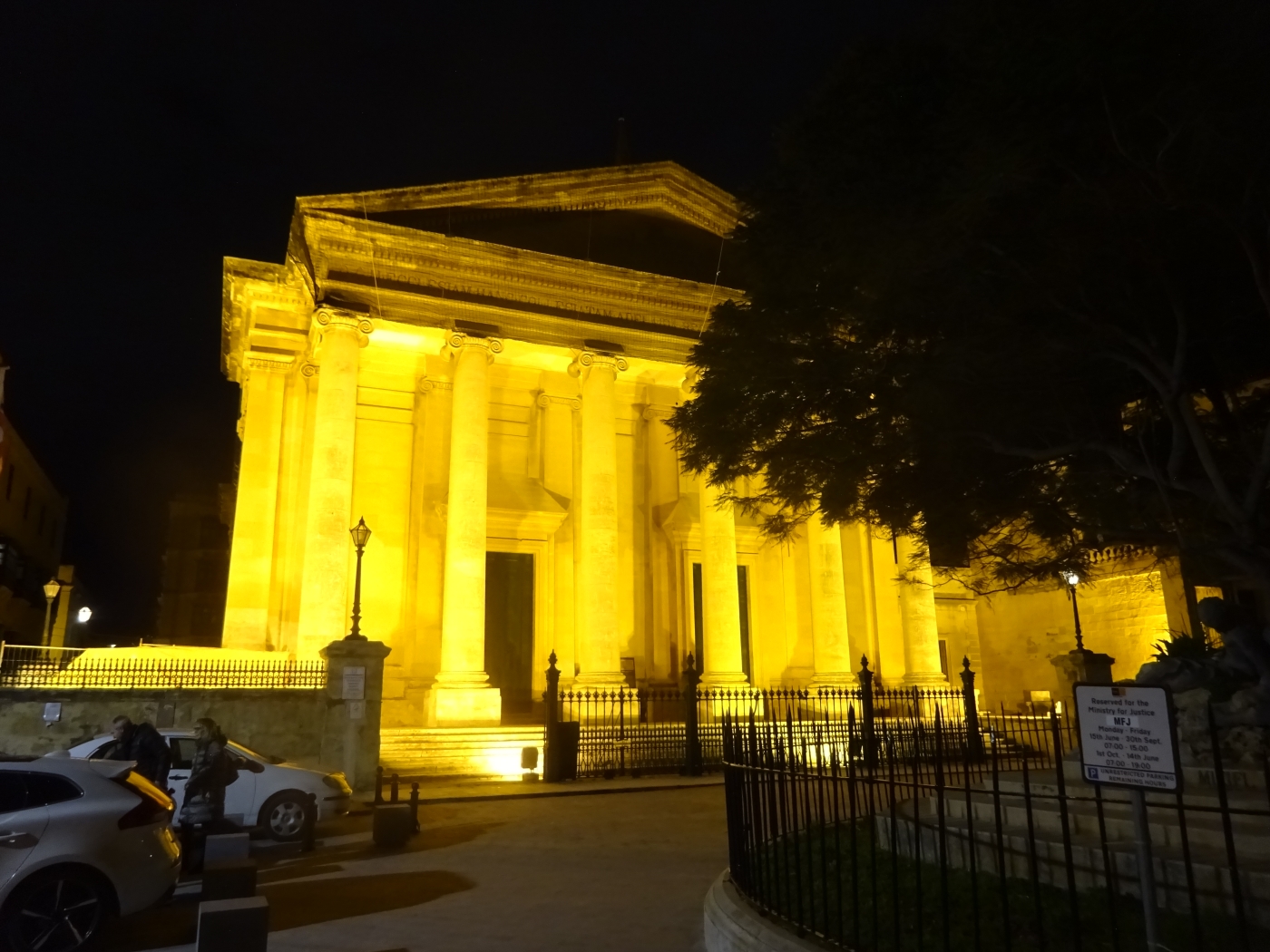
Valletta's 16th-century buildings were constructed by the Knights Hospitaller. The city was named after the Frenchman Jean Parisot de Valette, who succeeded in defending the island against an Ottoman invasion during the Great Siege of Malta. The city is Baroque in character, with elements of Mannerist, Neo-Classical and Modern architecture, though the Second World War left major scars on the city, particularly the destruction of the Royal Opera House. The city was officially recognised as a World Heritage Site by UNESCO in 1980. The city has 320 monuments, all within an area of 0.55 square kilometres (0.21 sq mi), making it one of the most concentrated historic areas in the world. Sometimes called an "open-air museum", Valletta was chosen as the European Capital of Culture for 2018. Valletta was also listed as the sunniest city in Europe in 2016.
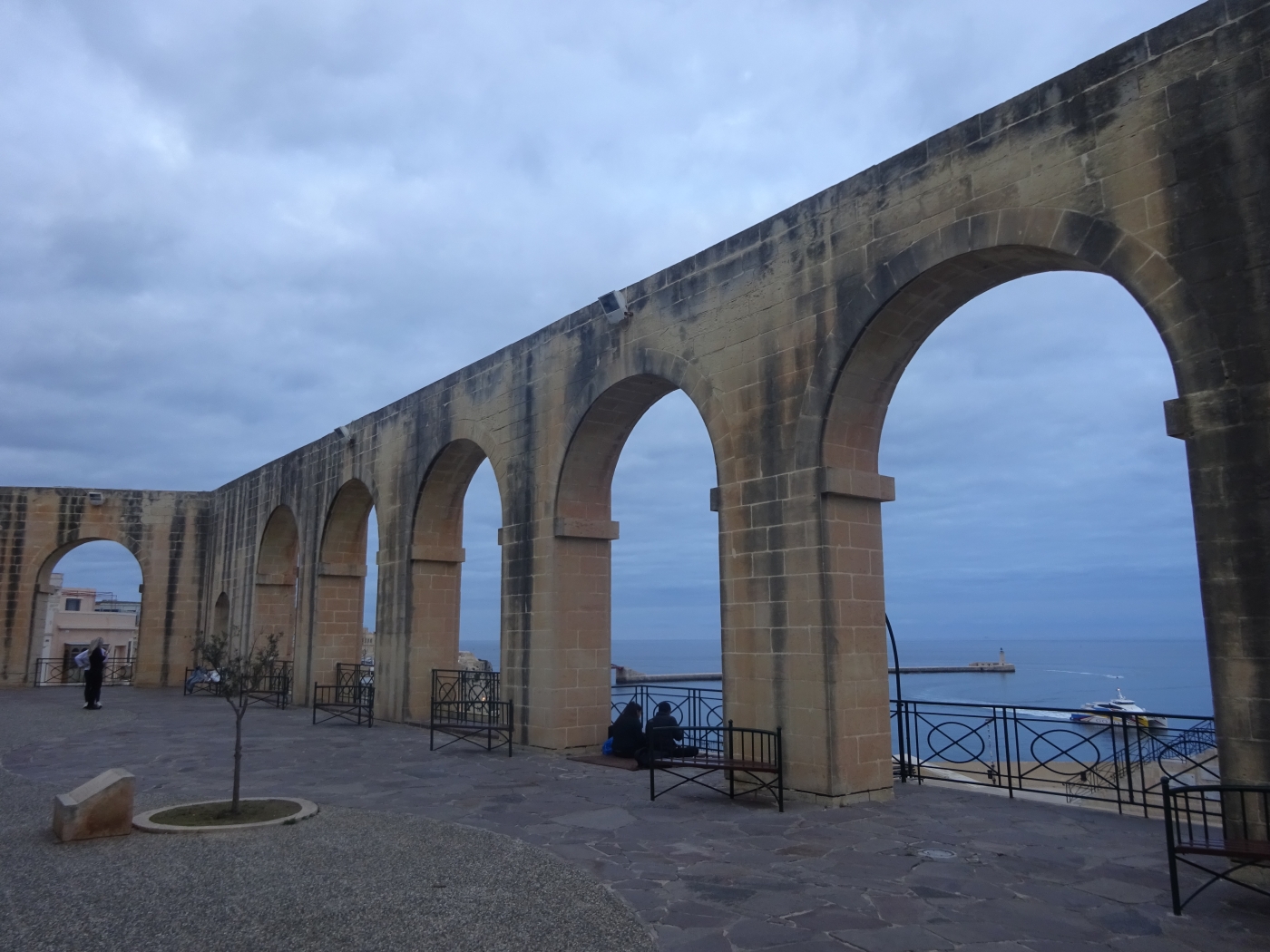
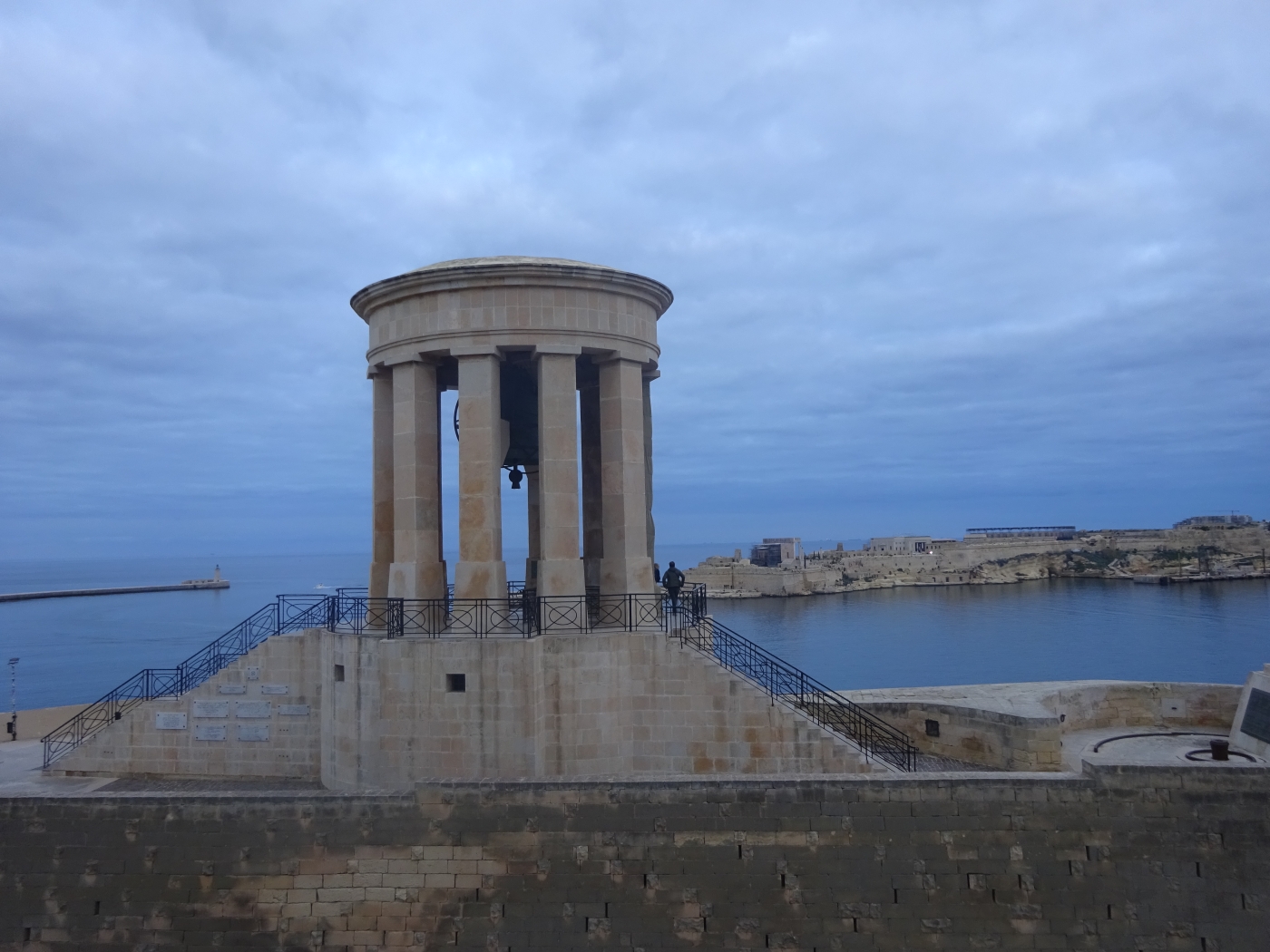
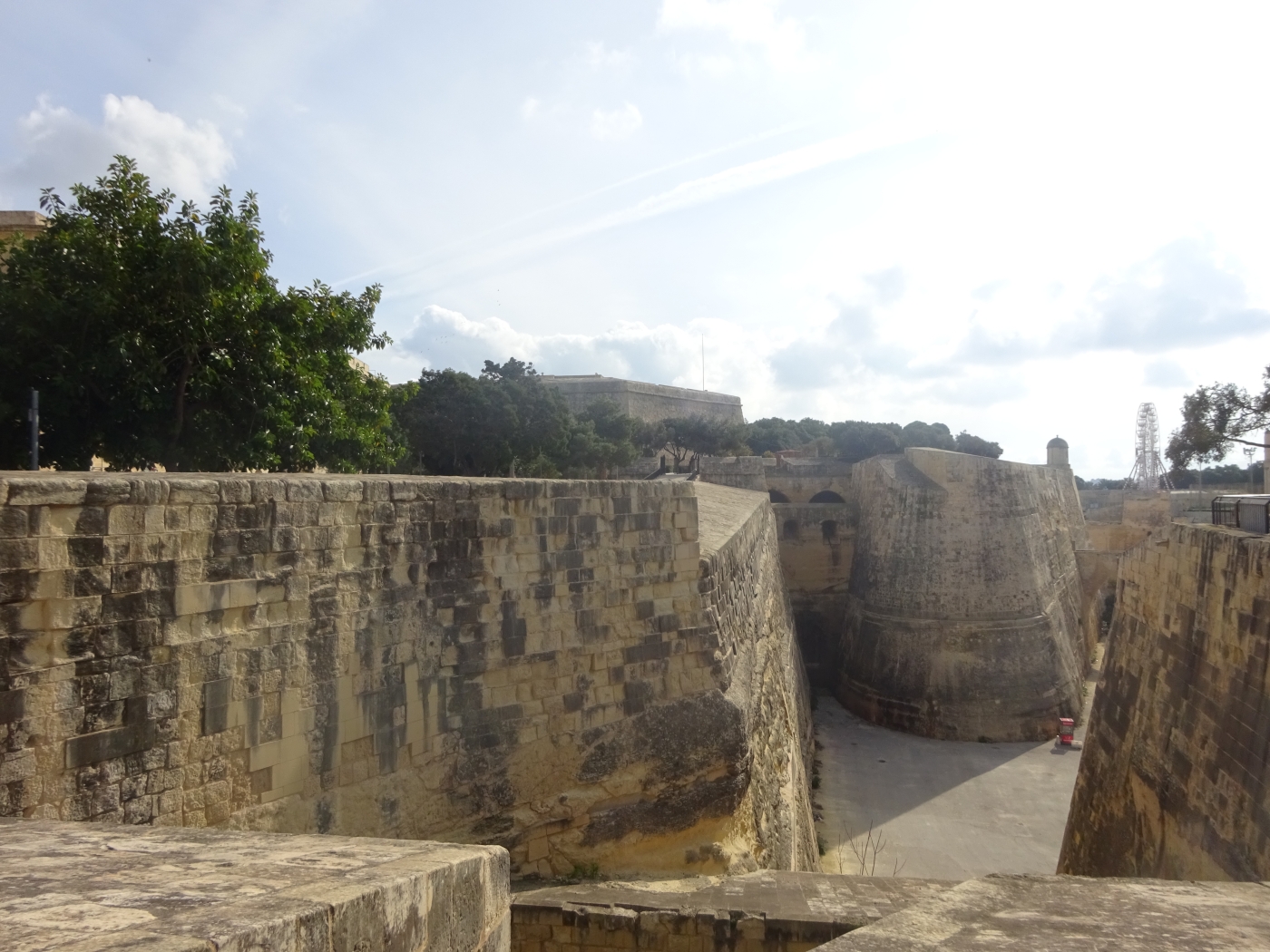
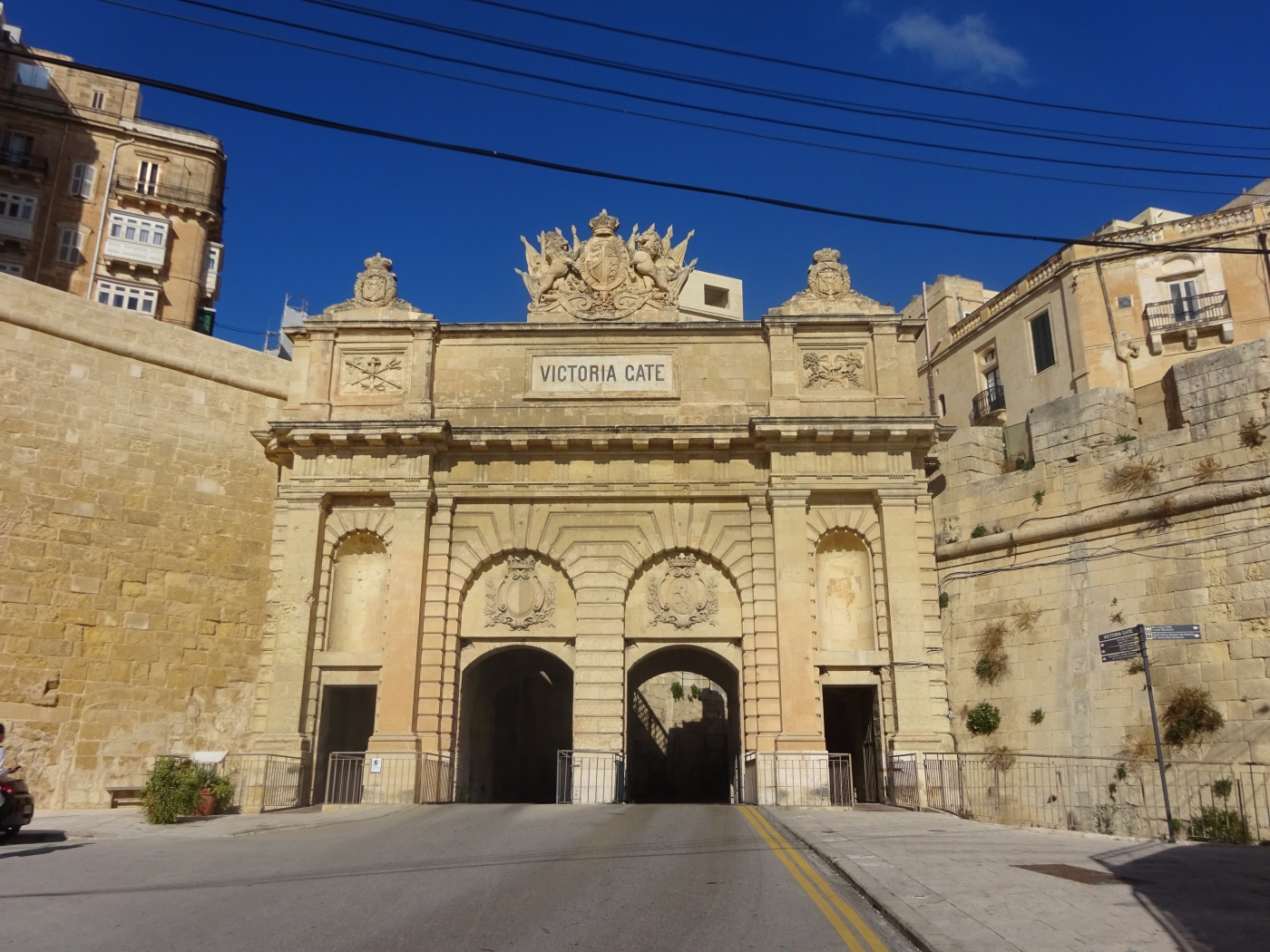
The city is noted for its fortifications, consisting of bastions, curtains and cavaliers, along with the beauty of its Baroque palaces, gardens and churches.